A biography of jadeite in Qing Dynasty
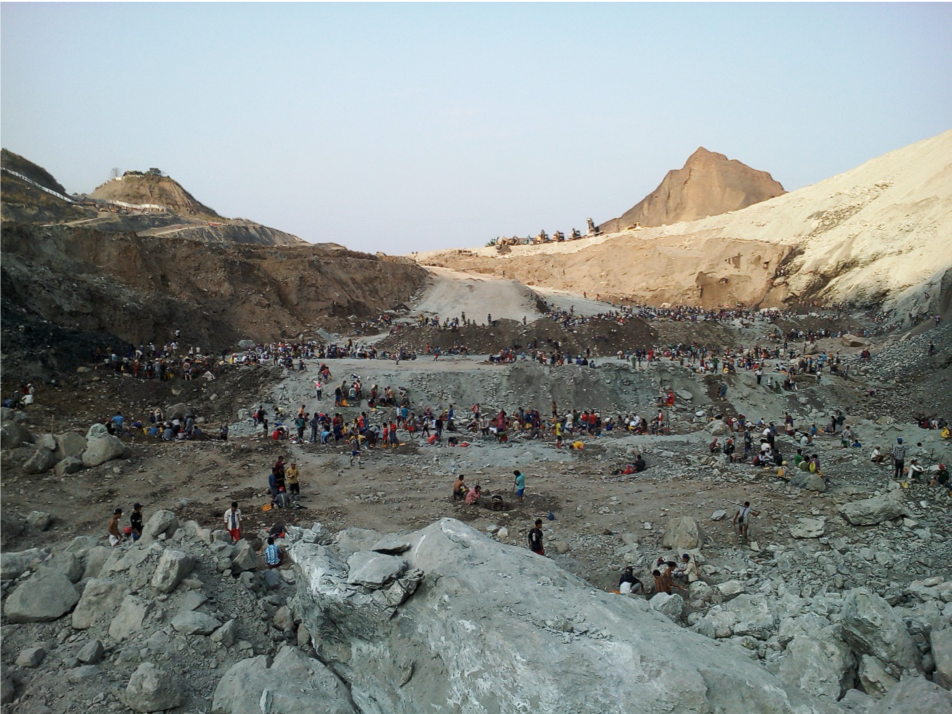
The jadeite mining area: Myanmar
A piece of jadeite worn by a Qing Dynasty empress in Beijing once began its life buried deep beneath the earth in what is now Myanmar, tens of millions of years ago. Unlike a single crystal, jadeite is made up of countless interwoven microcrystals. This unique polycrystalline structure gives each piece its unrepeatable texture, translucency, and luminous luster.
Jadeite forms under high-pressure, low-temperature geological conditions and often contains silky veins, cotton-like inclusions, and fine cracks. Yet thanks to trace elements like chromium (Cr) and iron, it can display intense, vivid colors—most notably Imperial Green, a rich, vibrant shade prized above all others. With a moderate hardness—softer than diamond but harder than gold—jadeite is ideal for carving. It is often shaped into symbolic motifs representing longevity, prosperity, and good fortune.
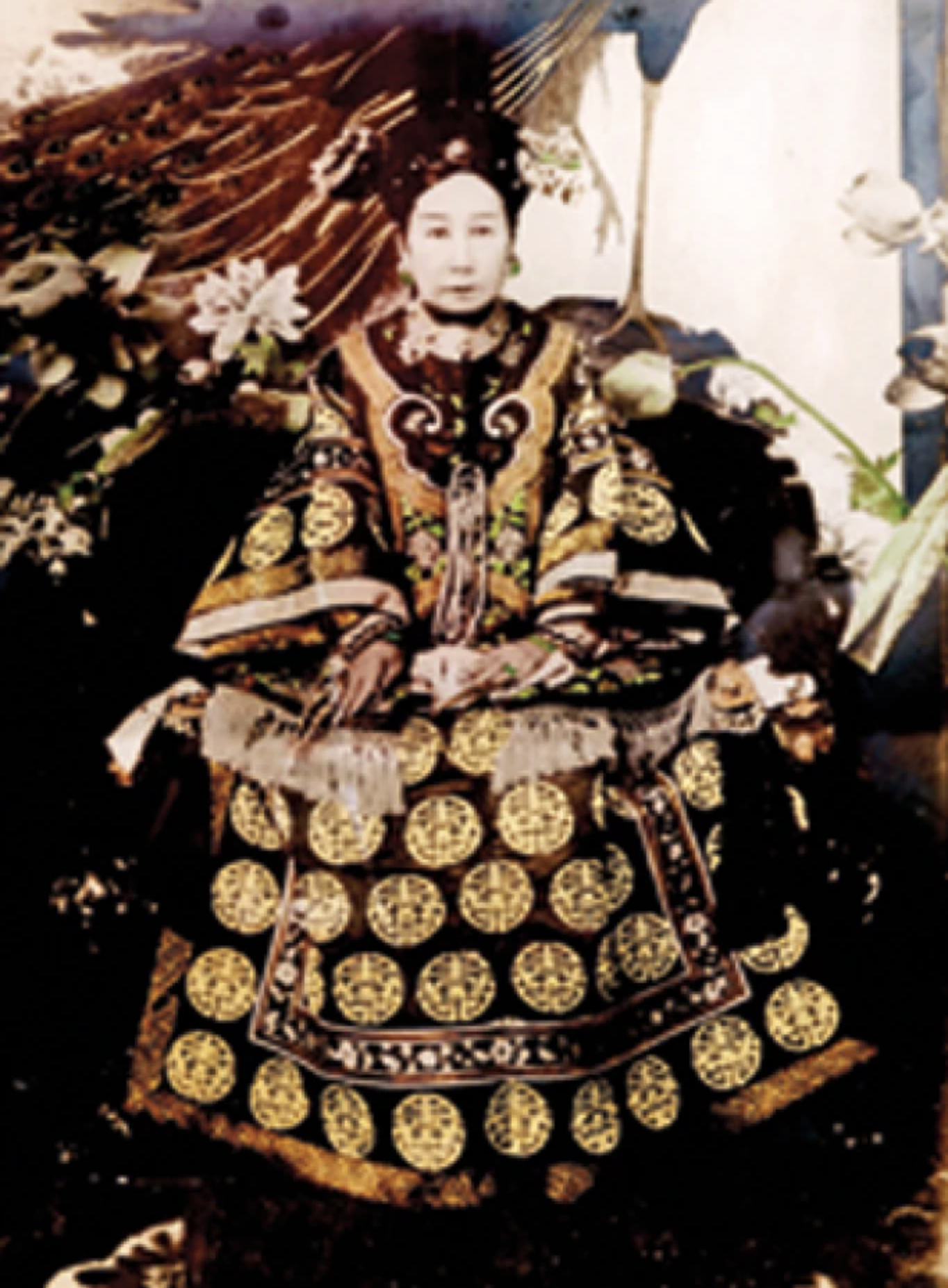
Photograph of Empress Dowager Cixi
Empress Dowager Cixi was especially drawn to jadeite’s rich color. She preferred stones with pure, bright, saturated hues, fine texture, and high translucency. Her preference led to jadeite replacing traditional nephrite as the official gemstone of the imperial court in the late Qing dynasty. Jadeite began to appear in her earrings, hairpins, court beads, ornaments, and even cosmetic tools.
But jadeite doesn’t shine naturally. It must go through a meticulous polishing process. Using high-speed rotating machines, artisans first grind away the rough outer surface with coarse abrasives, then gradually polish it using a fine slurry made of diamond powder. The deeper they polish into the stone, the denser and smoother it becomes. Not all gemstones can achieve this level of gloss—only those with the right internal density and structure. During polishing, the jade warms up from friction, and craftsmen rely on their hands to feel and judge the right pressure and rhythm. Only then does the stone reveal its watery, glowing luster.
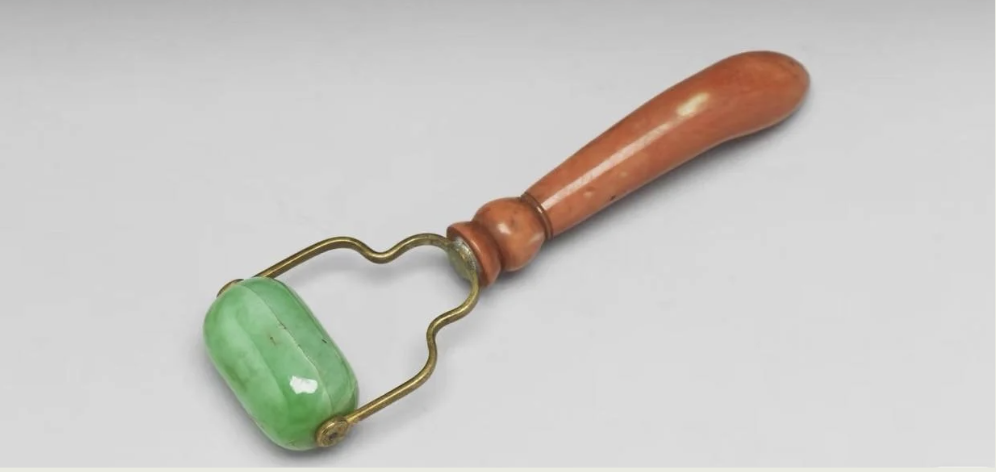
Jadie facial roller in Qing dynasty
Beyond wearable jewelry, Cixi also commissioned jadeite facial rollers. She used them daily to massage her face, believing the stone’s cool energy could beautify the skin, dispel internal heat, and balance bodily qi.
After her death, some of her jadeite pieces entered museum collections, while others found their way into private hands. To date, there is no definitive evidence that jadeite she personally wore has entered the auction market.
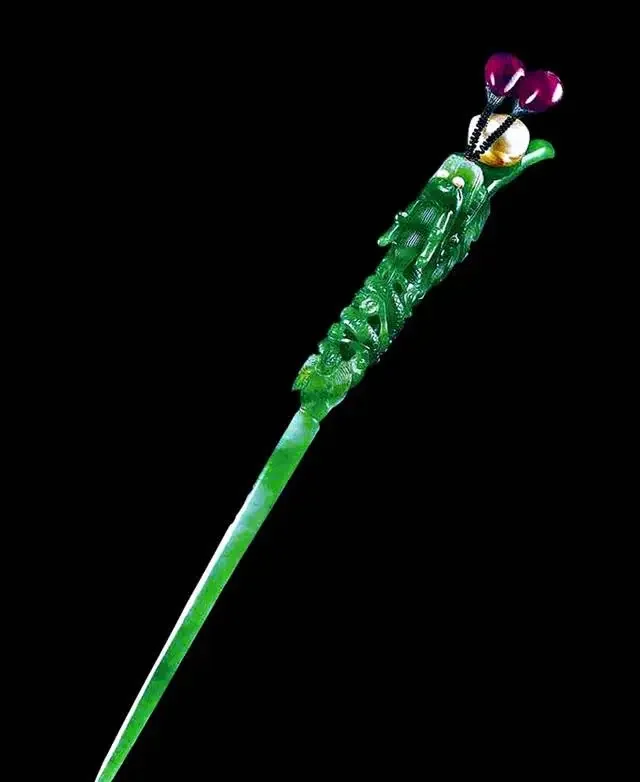
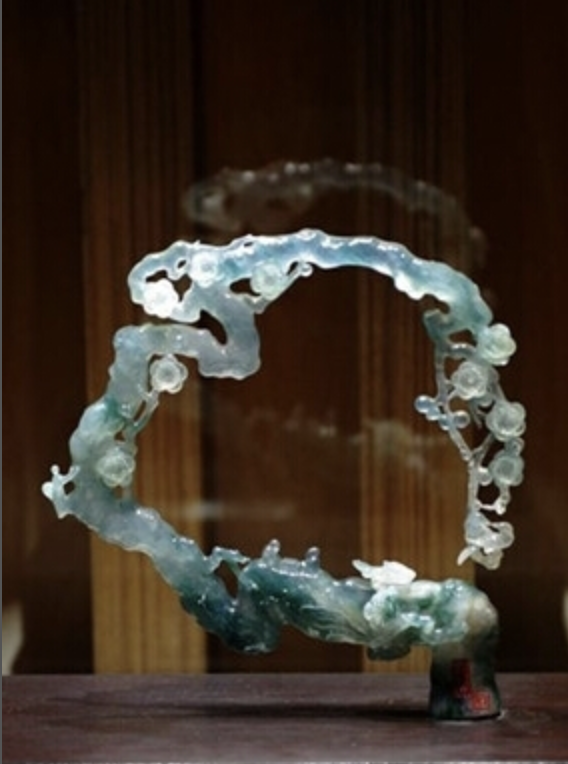
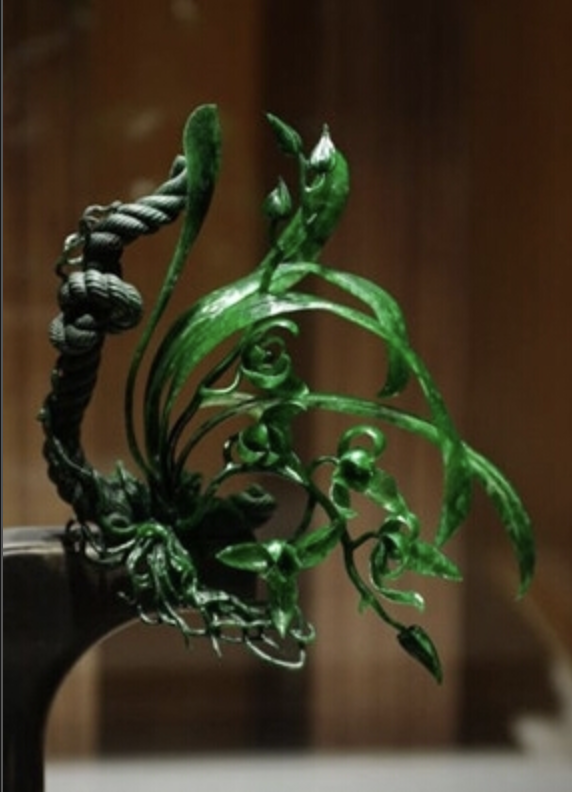
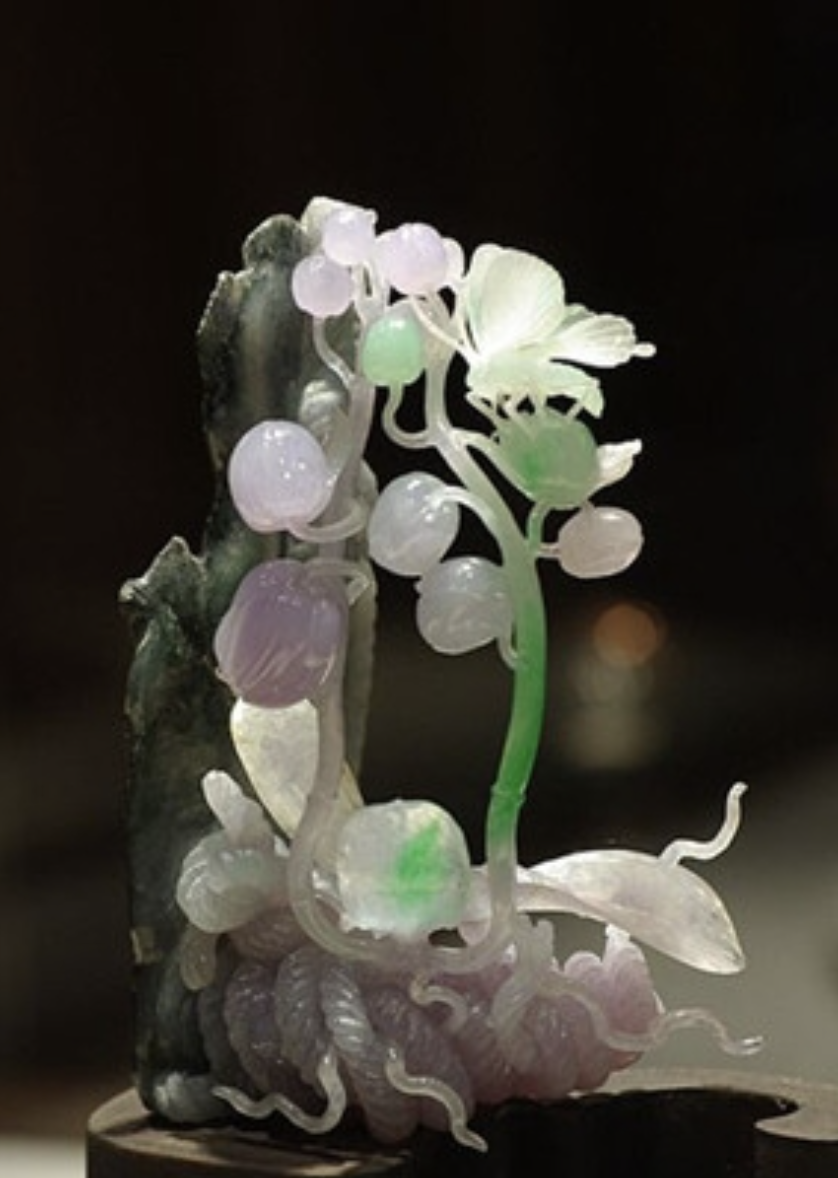
Several jadeite carvings once most cherished by Empress Dowager Cixi during her lifetime are now preserved in the Palace Museum in Beijing, China.
